Apple TV
Mutate
Odyssey for Telstra
Idents for Cancer Research UK & Channel 4
Pi8 & Pi6 for Bowers & Wilkins
Patience for Byborre
Ignis
Phantom GX 2 Elite for NIKE
Vision Pro Reveal for Apple
Idents for The Clove Club
Inner Child for Ressence
Toccata
The Cliff
Broken Dreams Broken Machines for Max Cooper
Louis Vuitton 200
Odyssey
Utopia
Refuge
Immersed in the Forest for Zara
Aerial
Relief
Exo
Fork
Morris
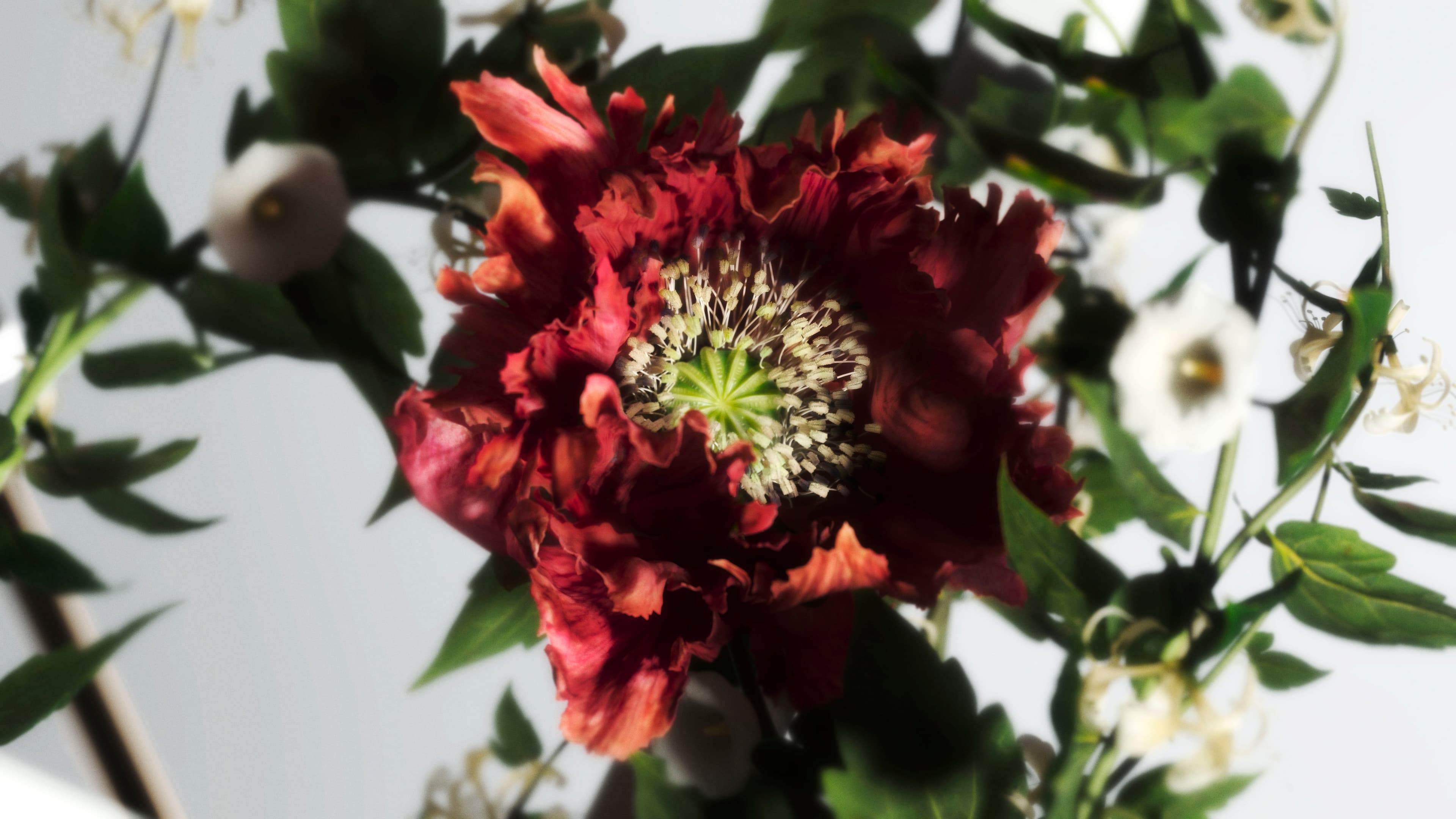
Guinness Goodness for Guinness
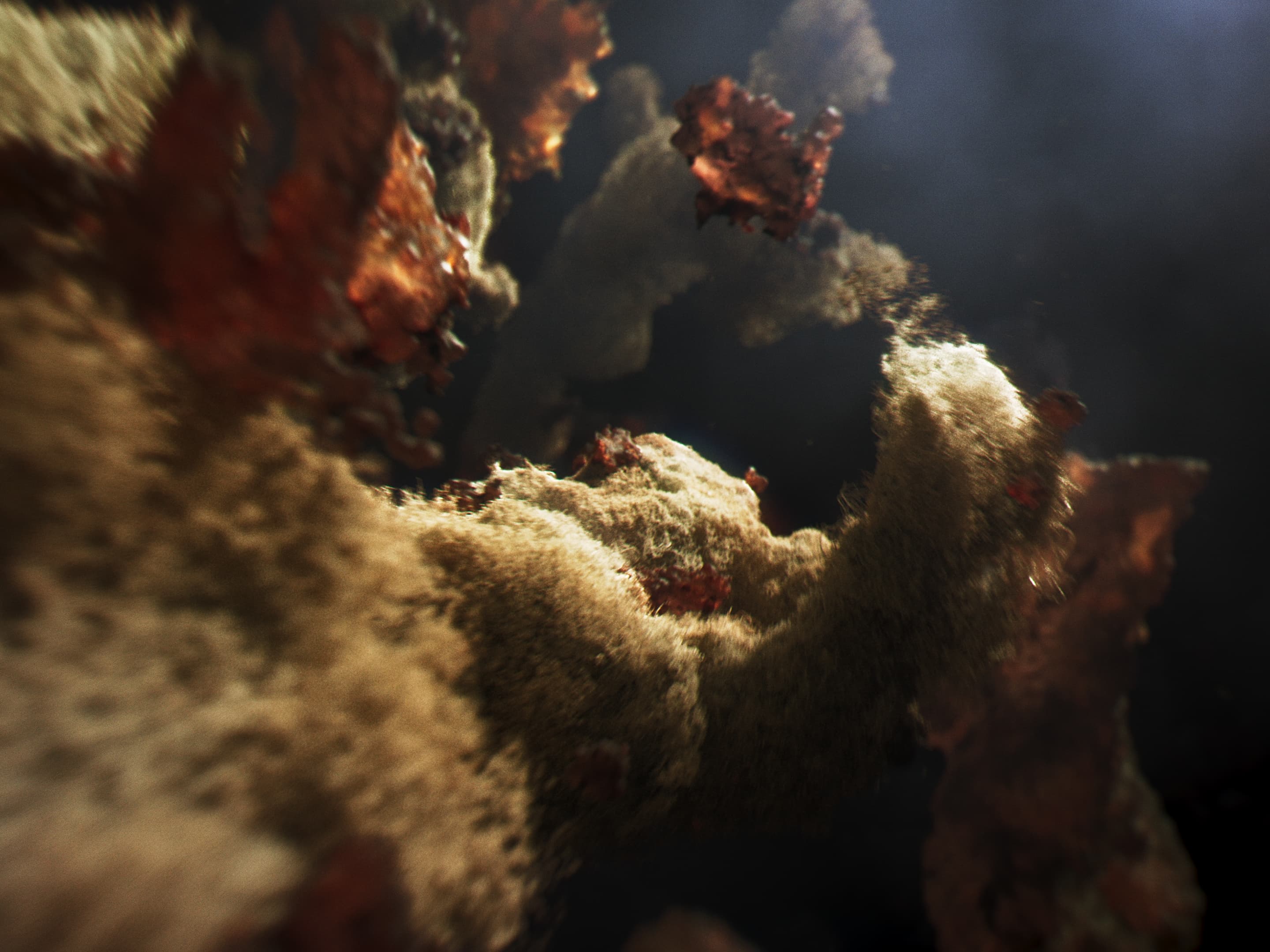
Plénitude II for Dom Perignon
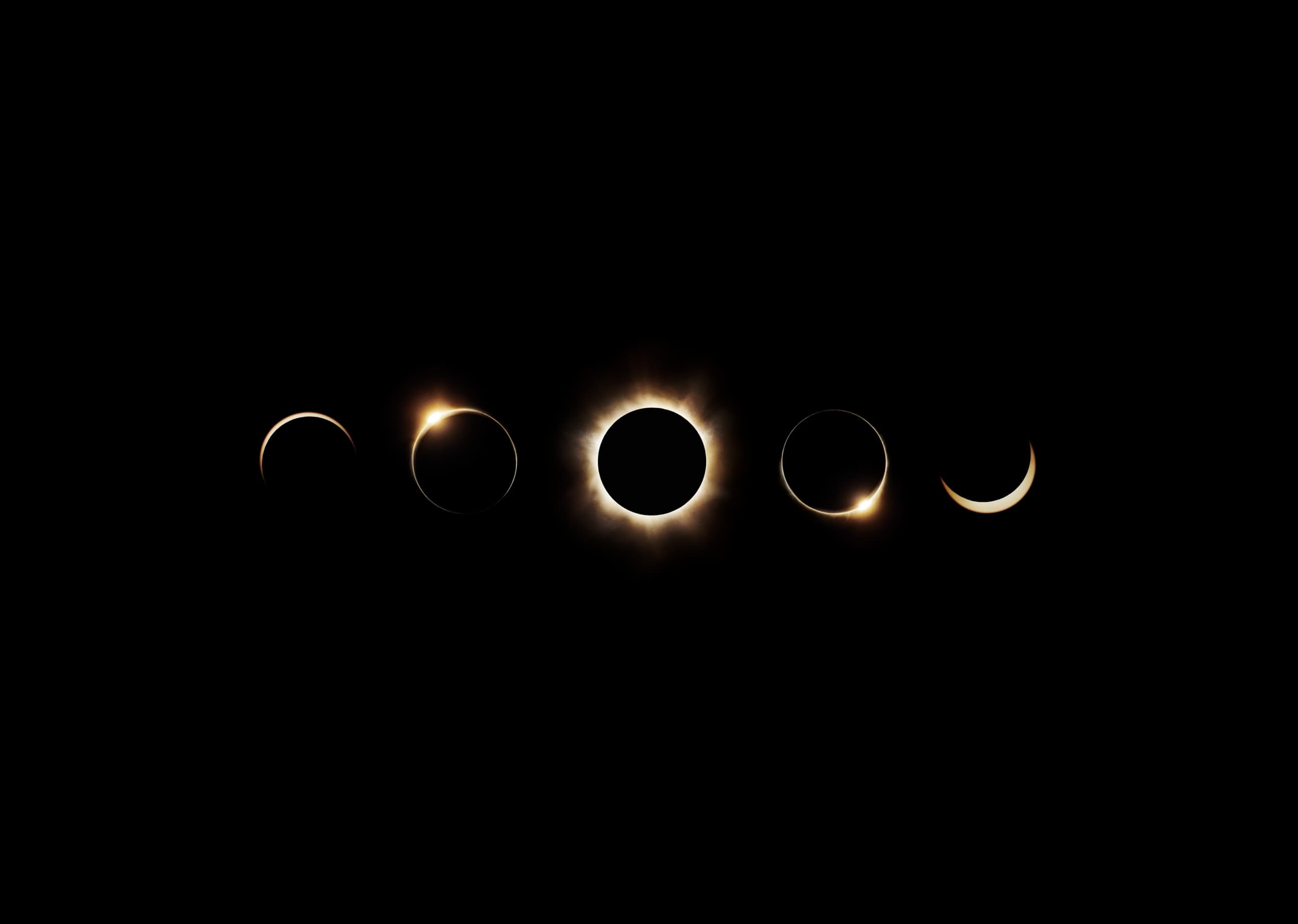
Del Core Collection 1
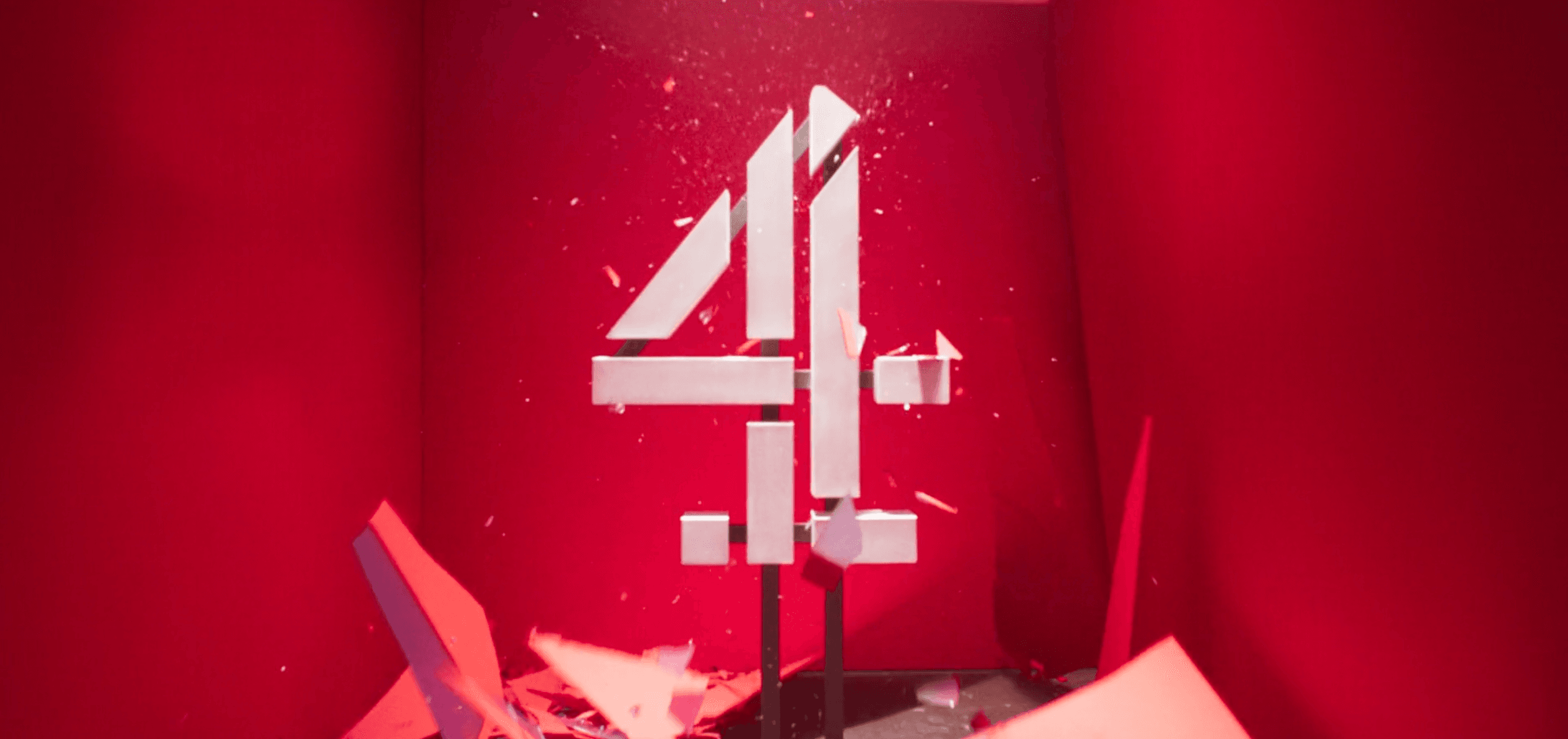
Idents for Channel 4
Supersonic R & Jasper Plum for Dyson
Call to the Wild for Apple
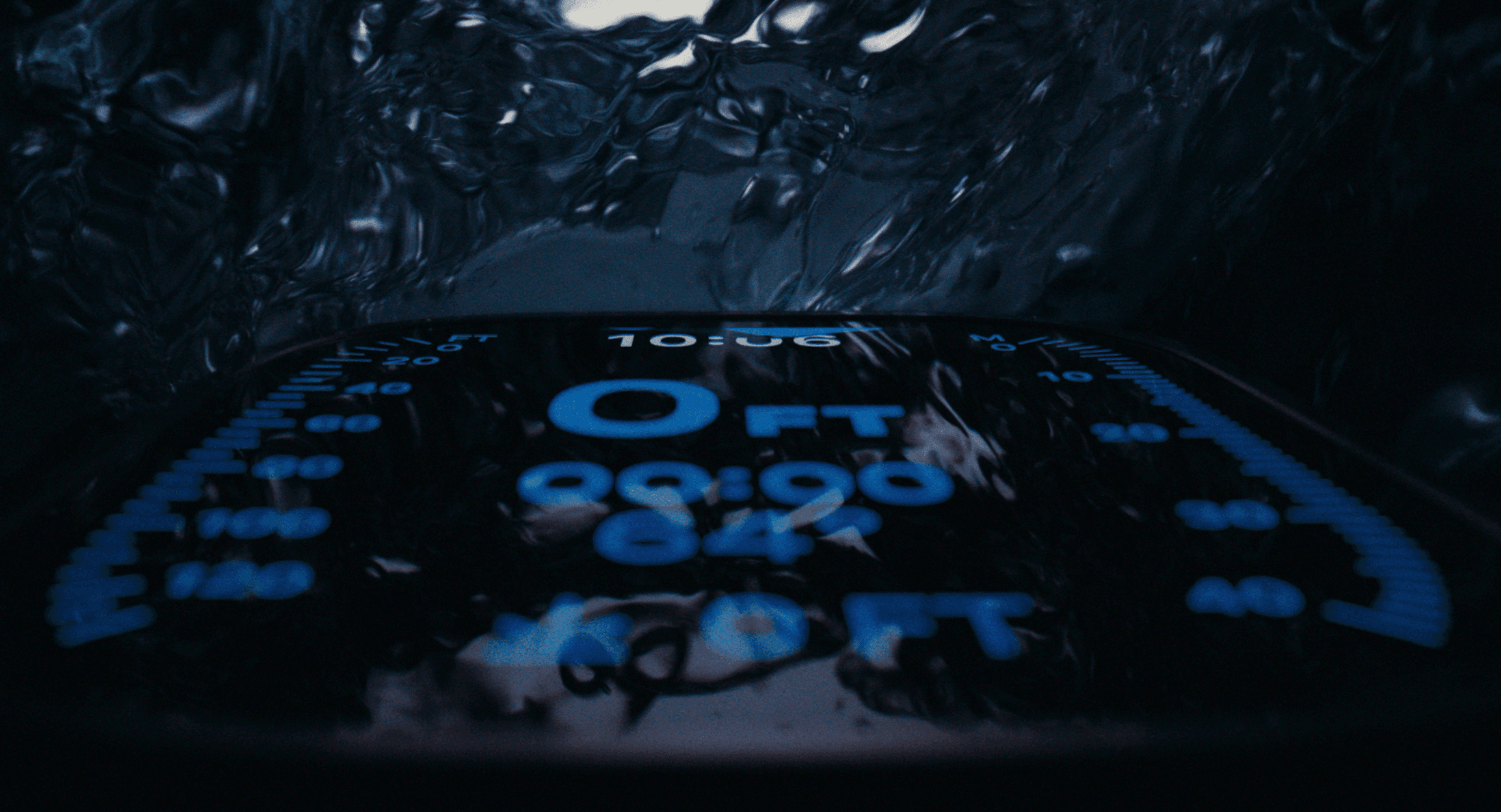
Brand Reset for Aveda
Diatoms
Immaterial Objects for London Design Festival 2024
Playground
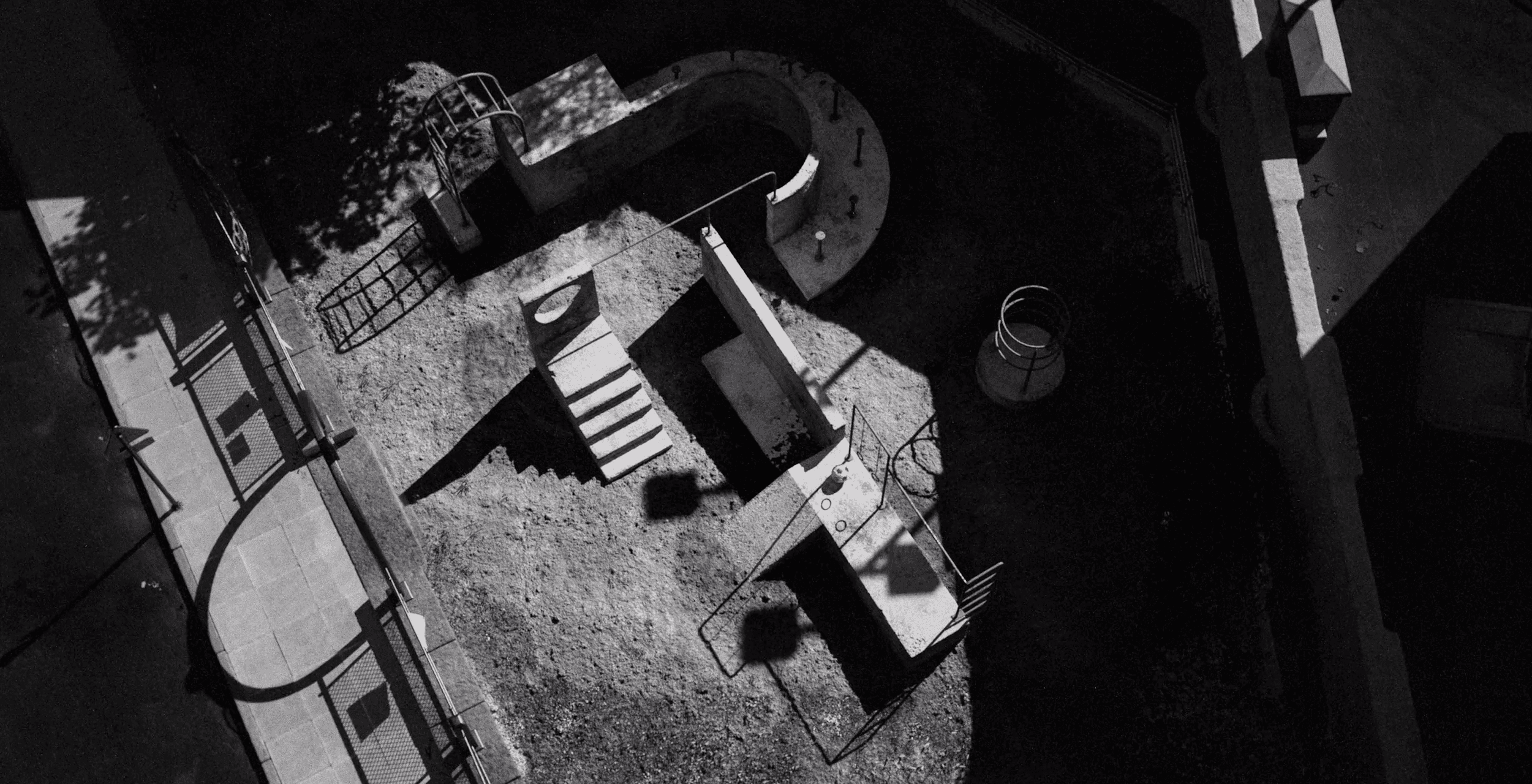
Order in Space
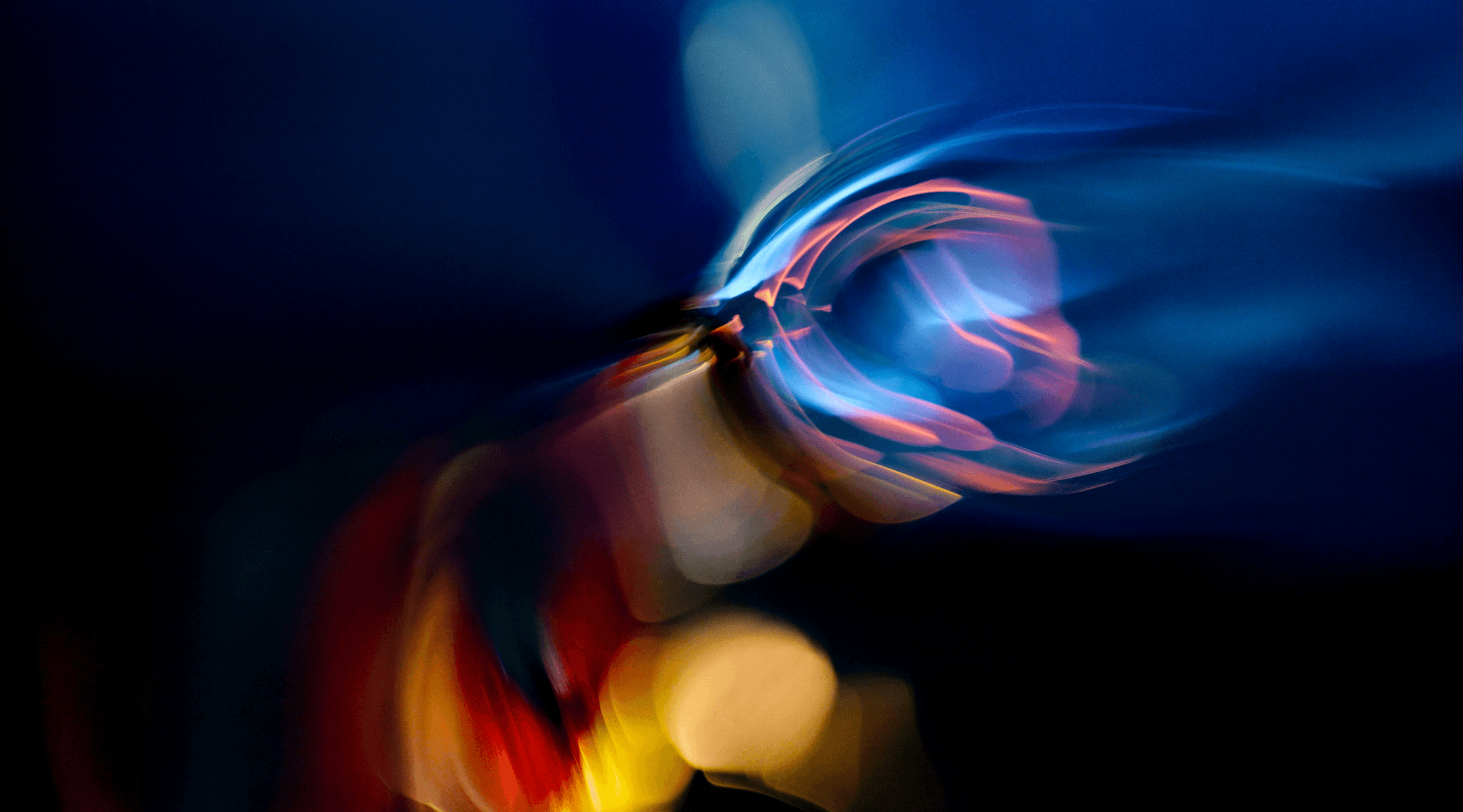
Never Ordinary Campaign for Made
Babel
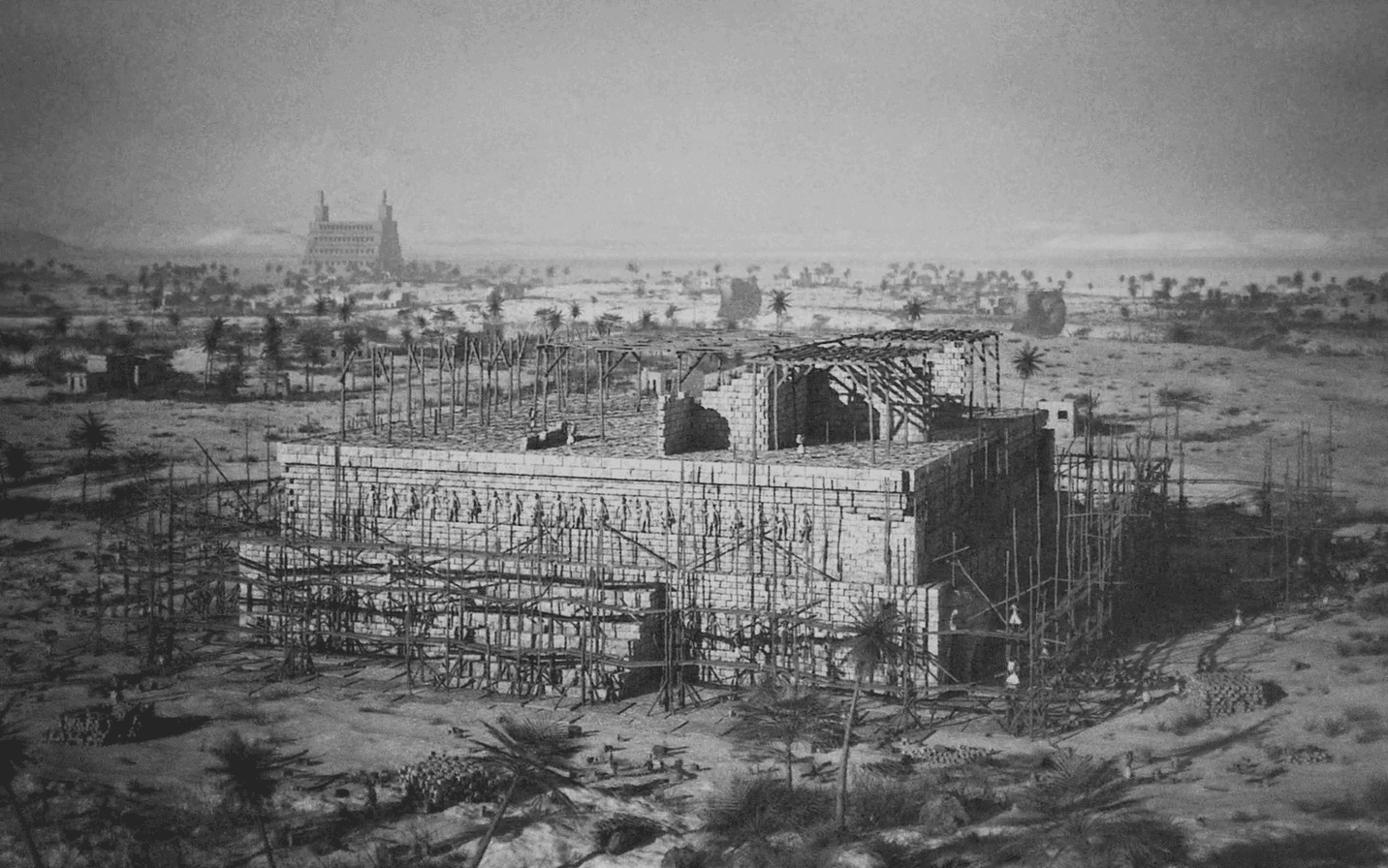
Playground Installation for London Design Festival 2023
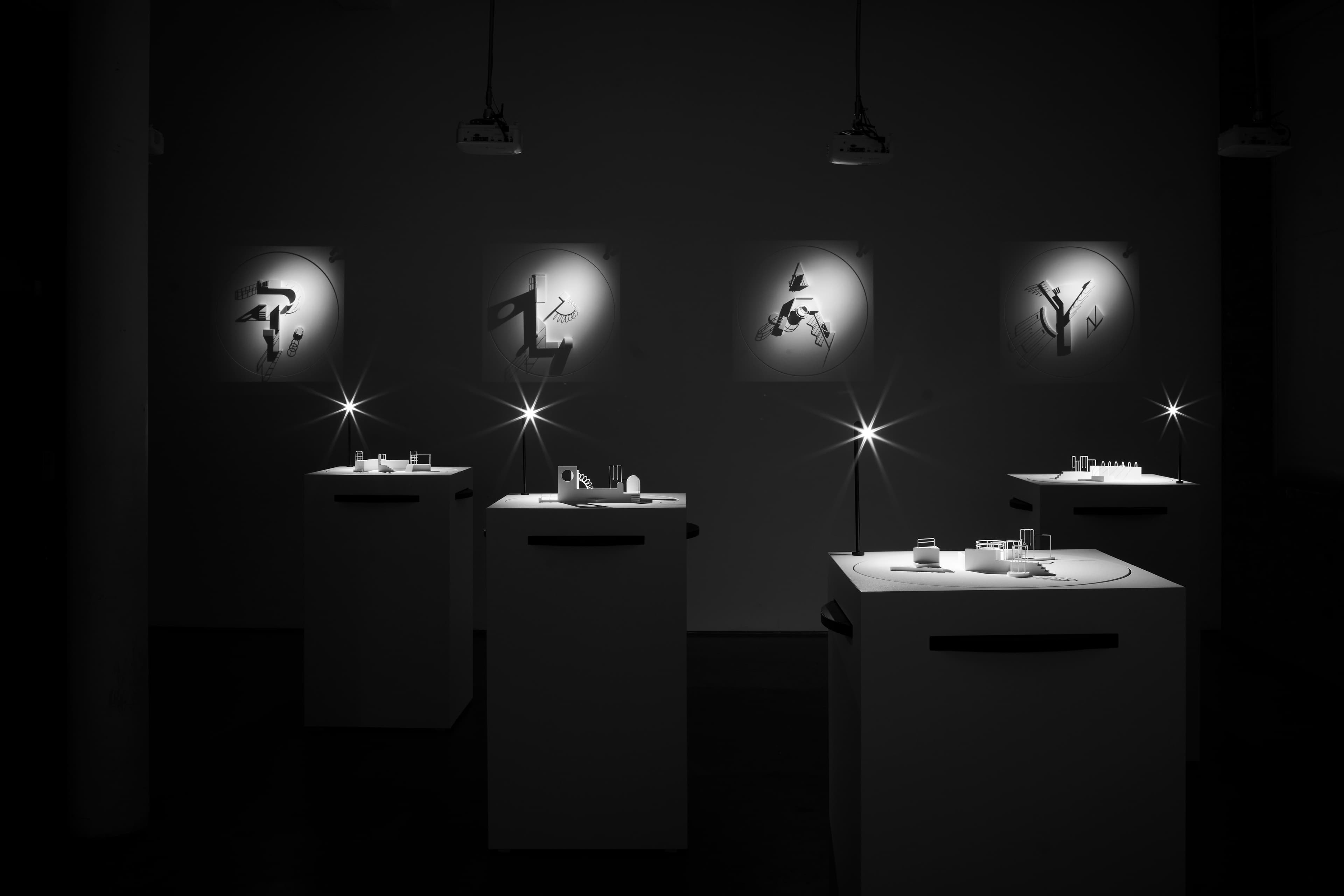
Fugue
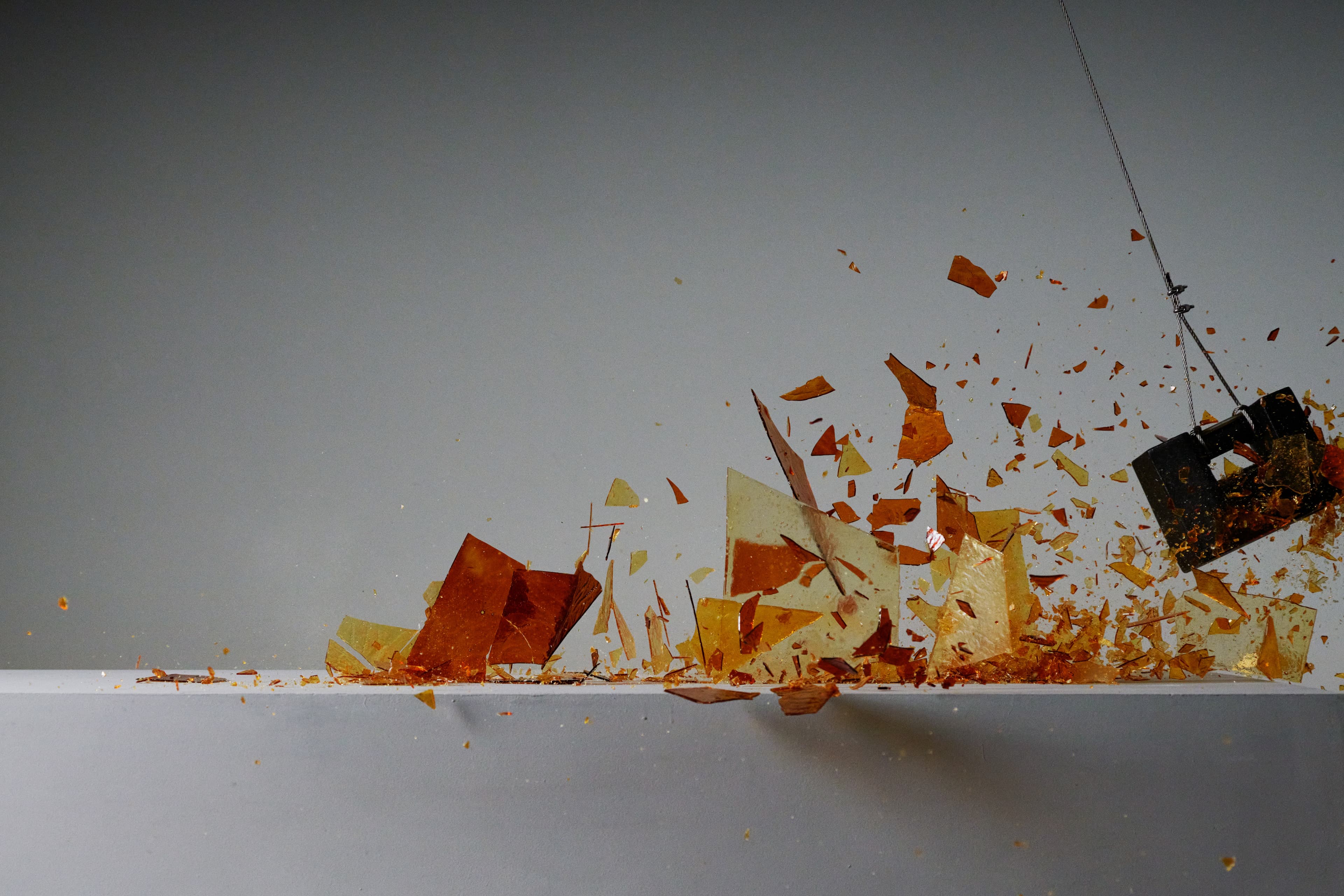
Stream of Thought for Max Cooper
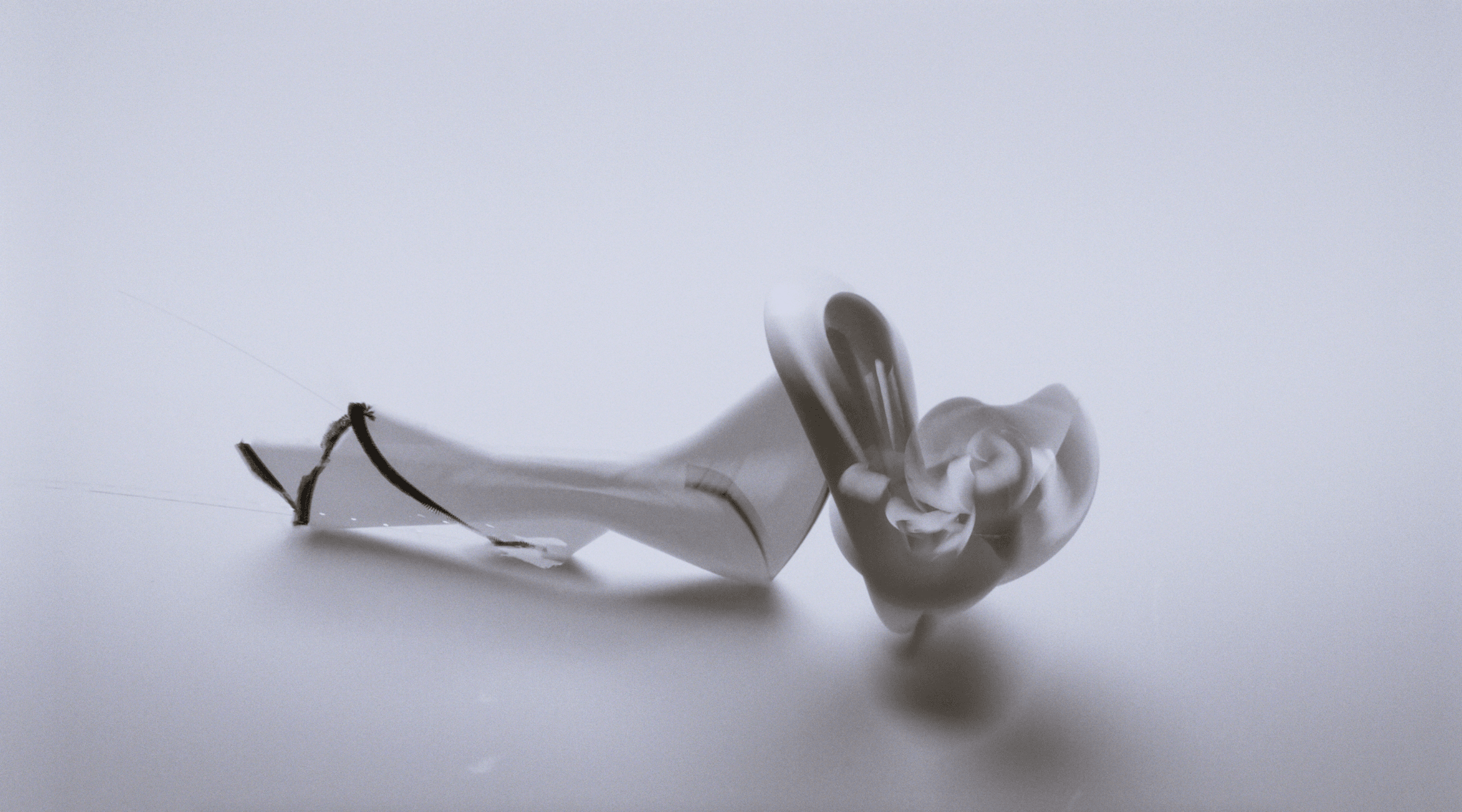
Information
Surface
Tension
Extrusion
U_UTOPIA 3840x2160 / 25 fps / Prores 422HQ
Utopia
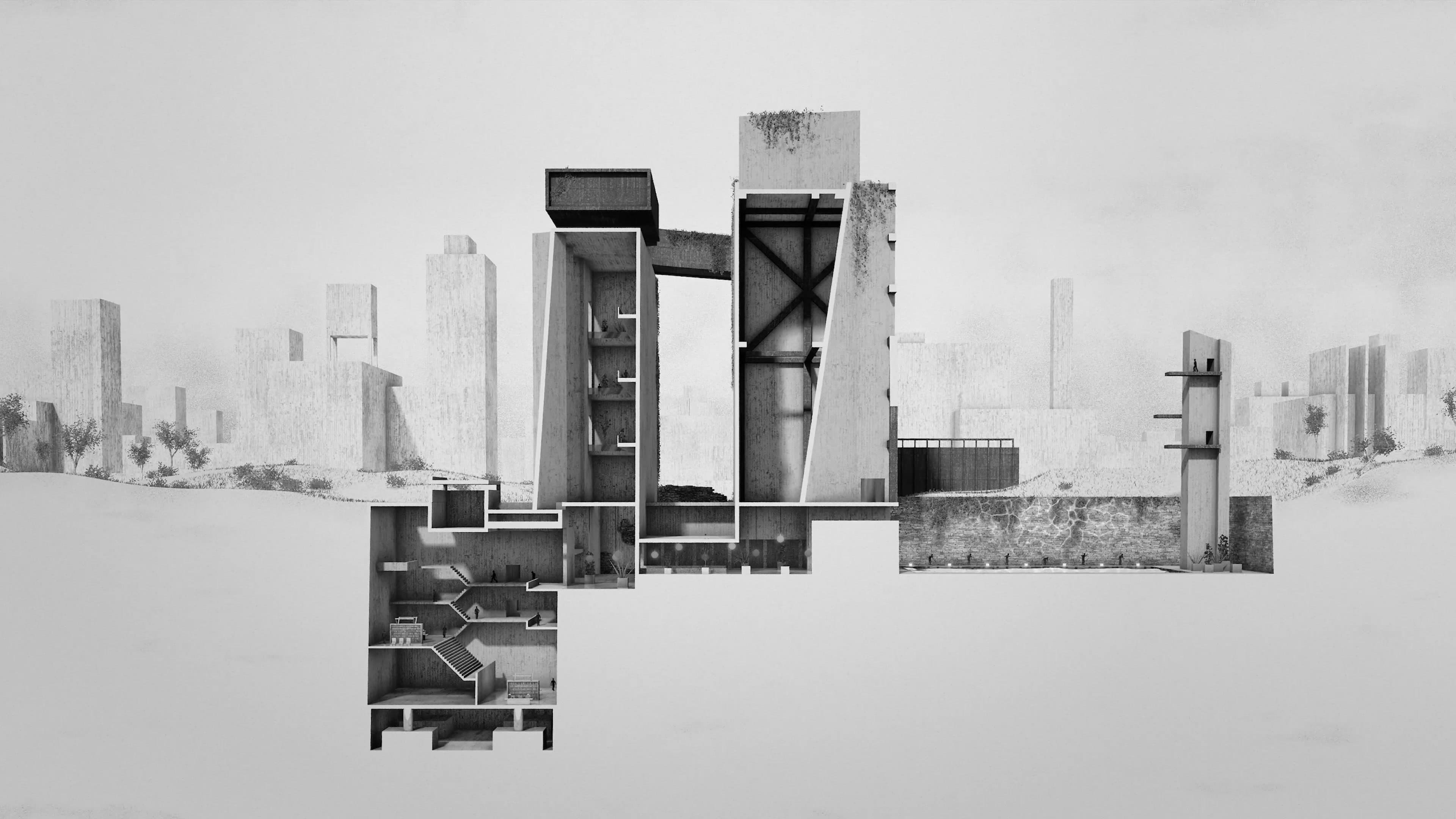
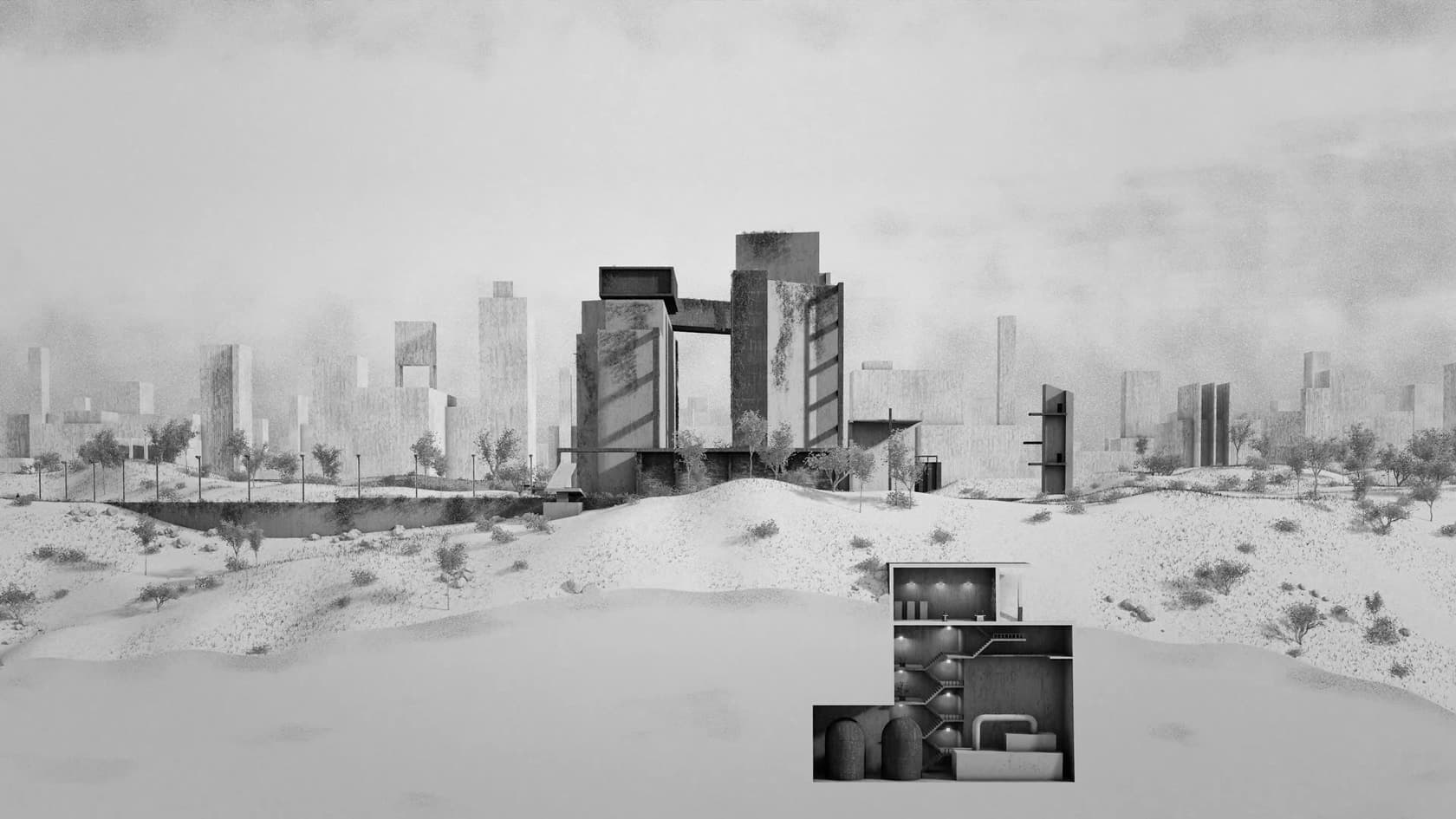
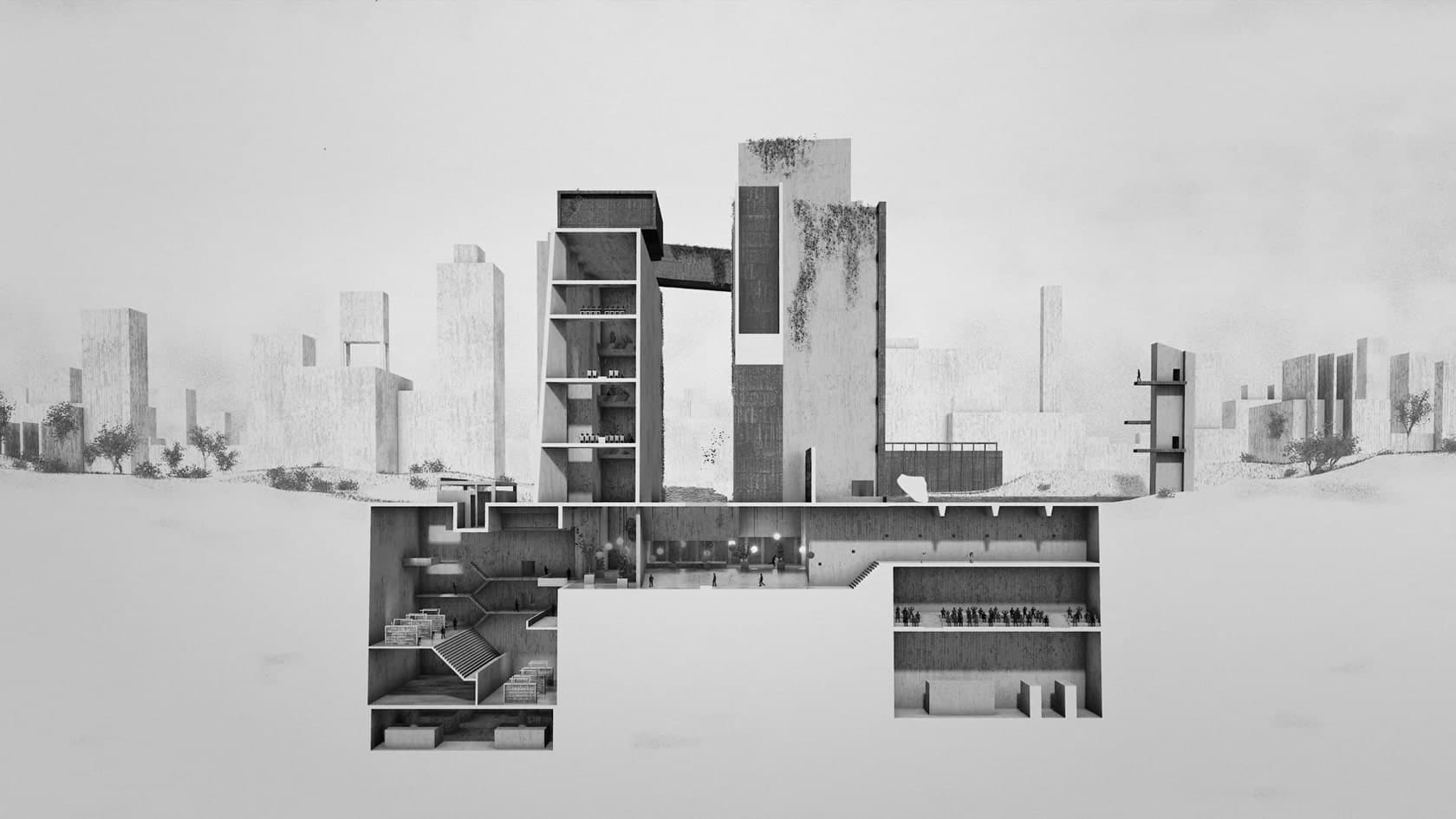
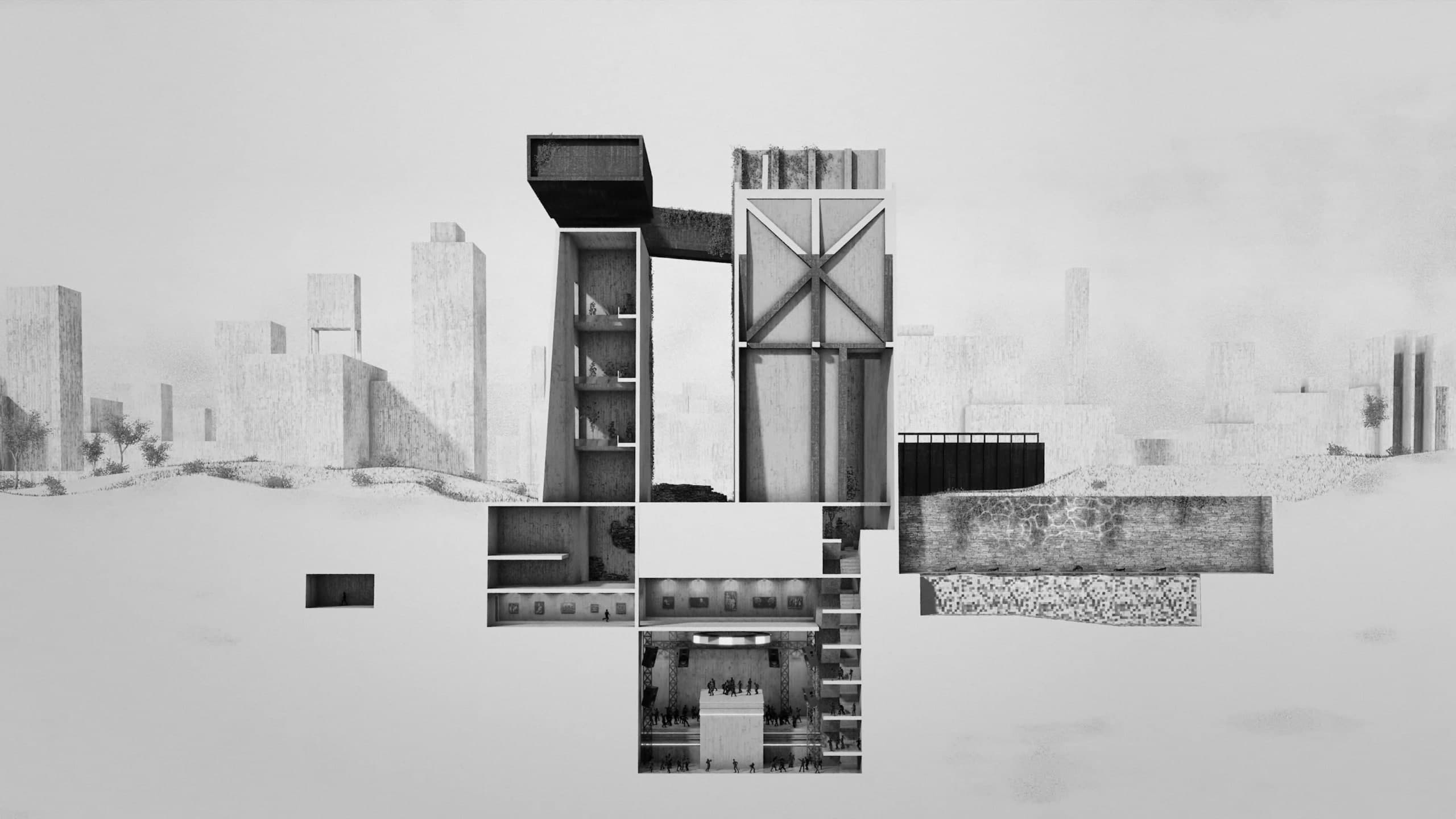
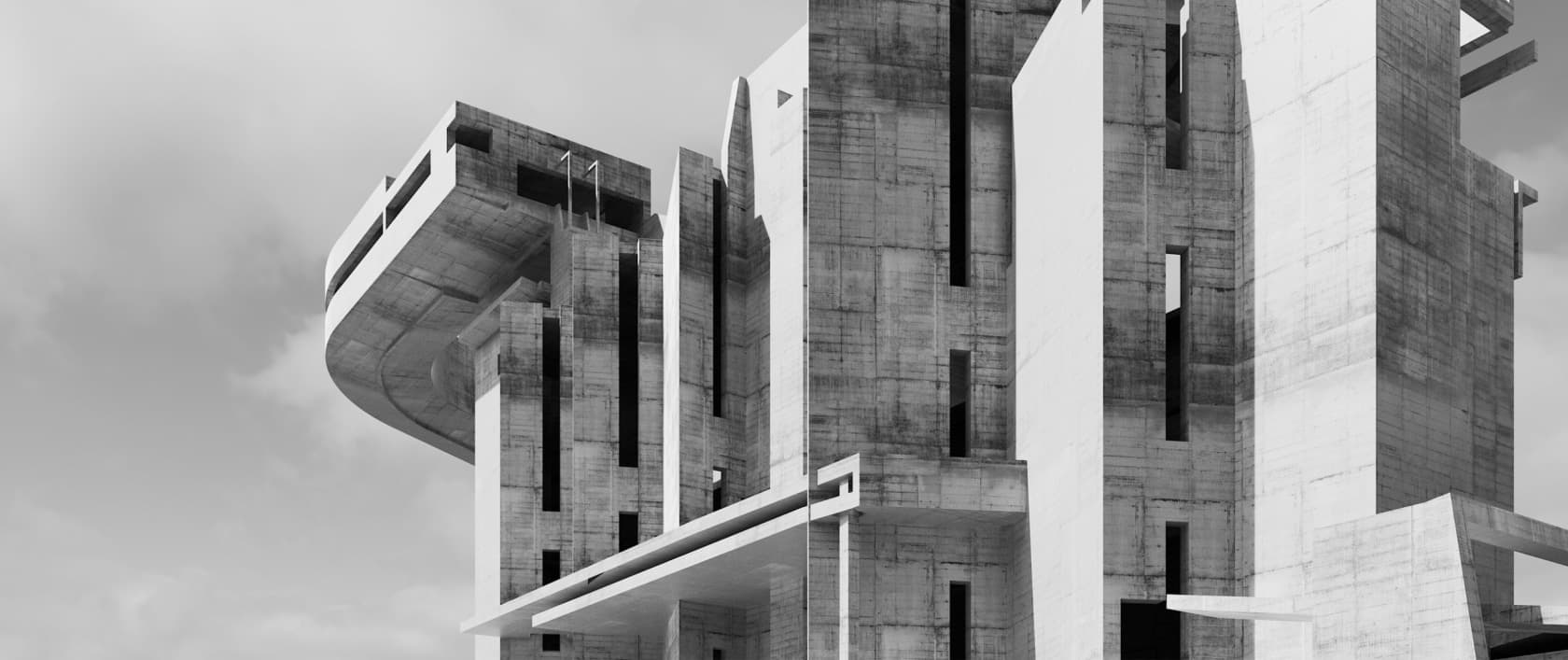
A journey through an imaginary Mausoleum in Chandigarh, Le Corbusier’s modernist city in Northern India. Utopia is a short film using a cross section view. This perspective is used exclusively as we follow the characters enigmatic journey as they navigate the complex concrete structure looking for the tomb at its core. As they navigate the structure we see and hear glimpses of the changing environment as the building reveals itself.
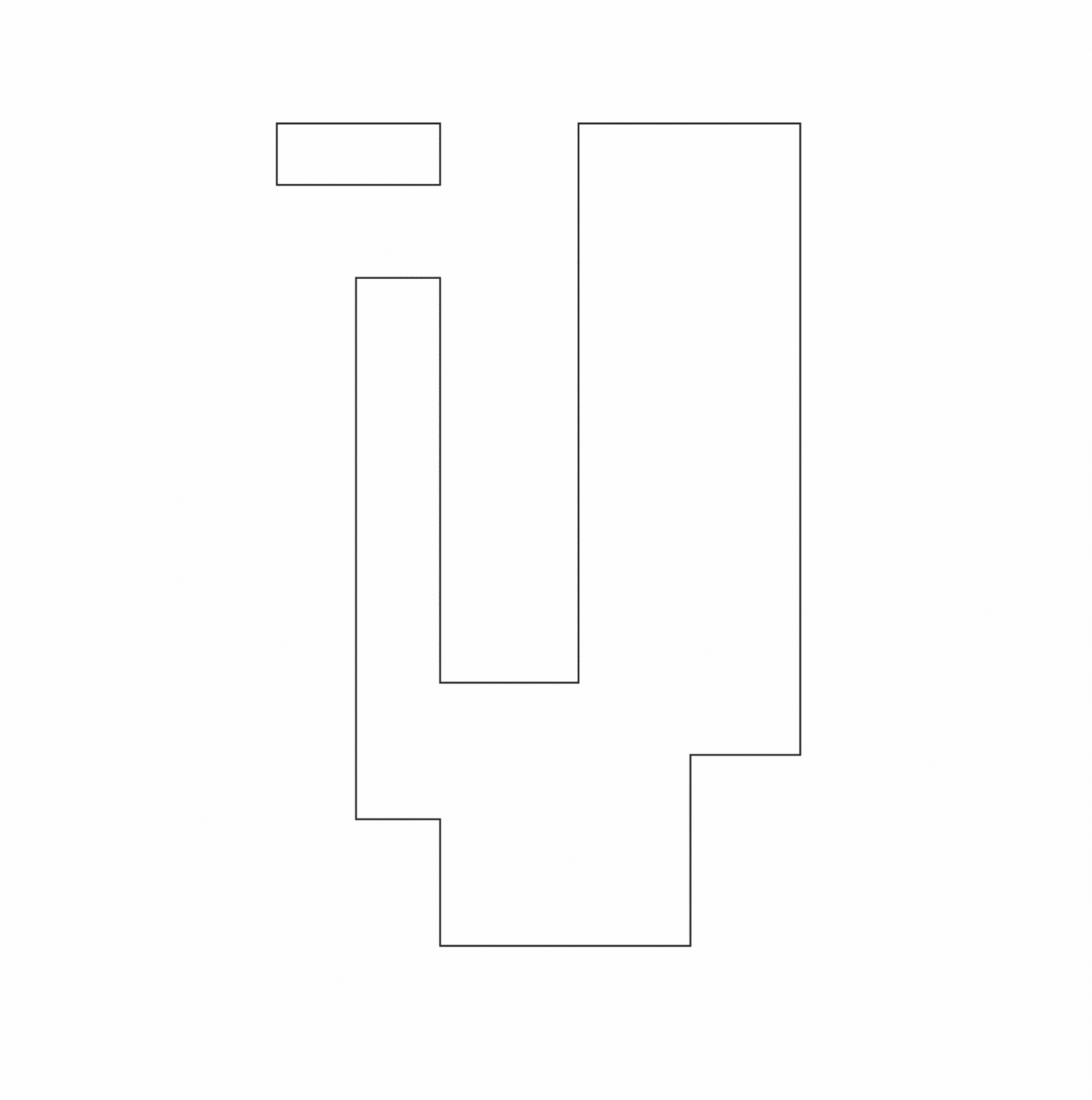
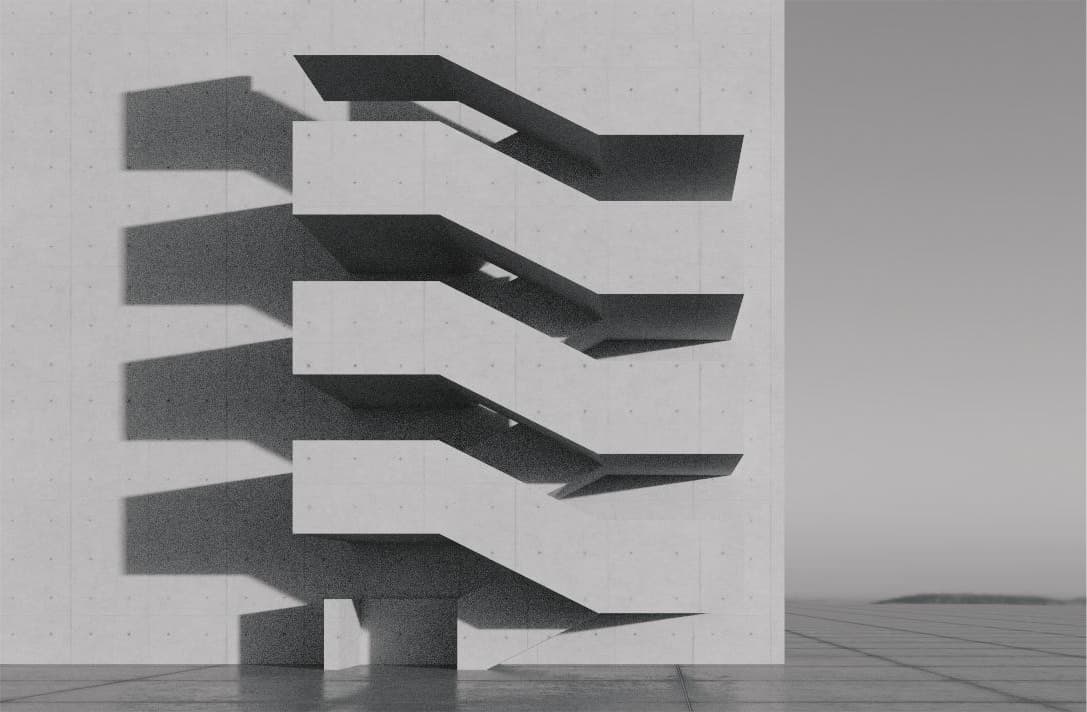
Inspired by architectural perspective illustrations first developed in the renaissance period and still used in the present day. The film adds the dimension time being compressed as we travel through the scene. The building was designed in collaboration with an architect to create a functional structure and incorporating the letter form of the ‘U’ in the final frame.
Research & Development
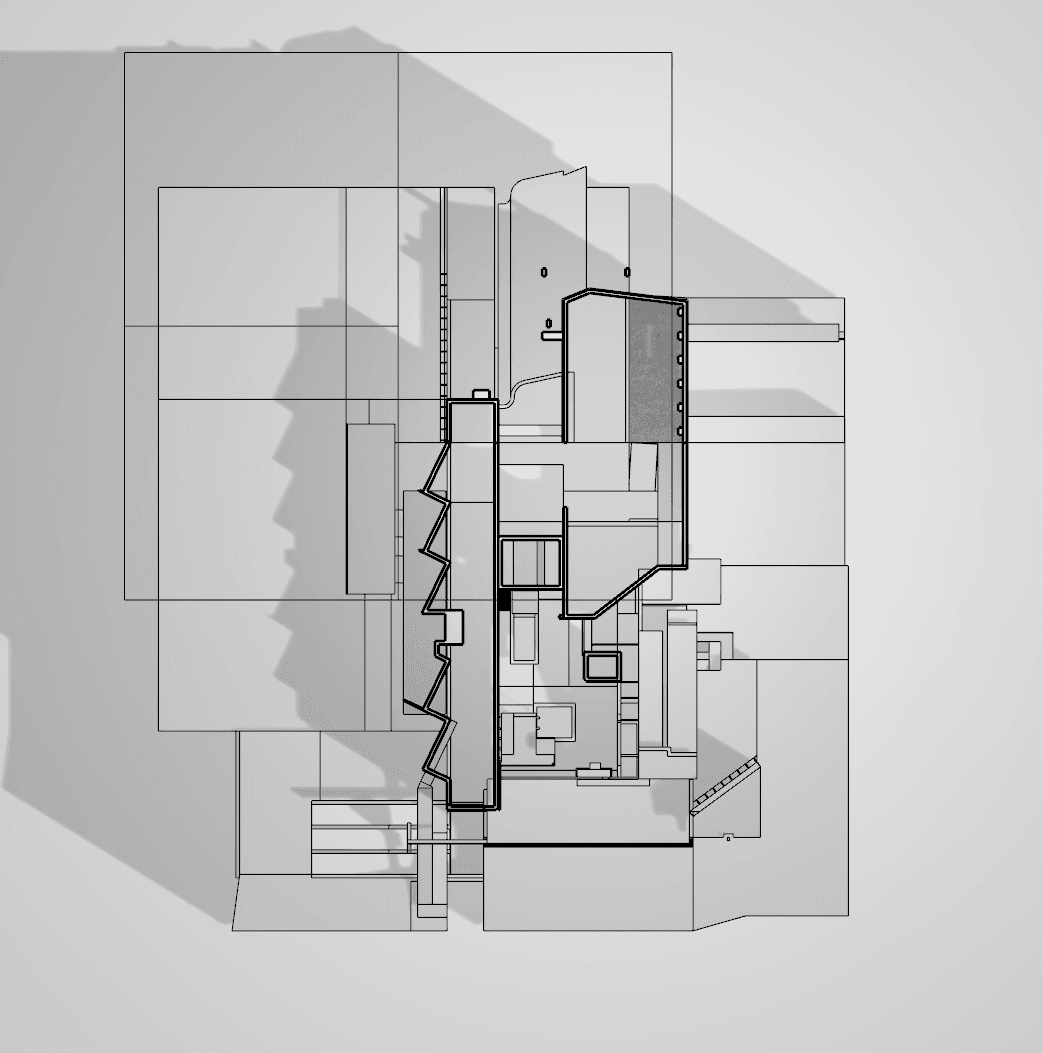
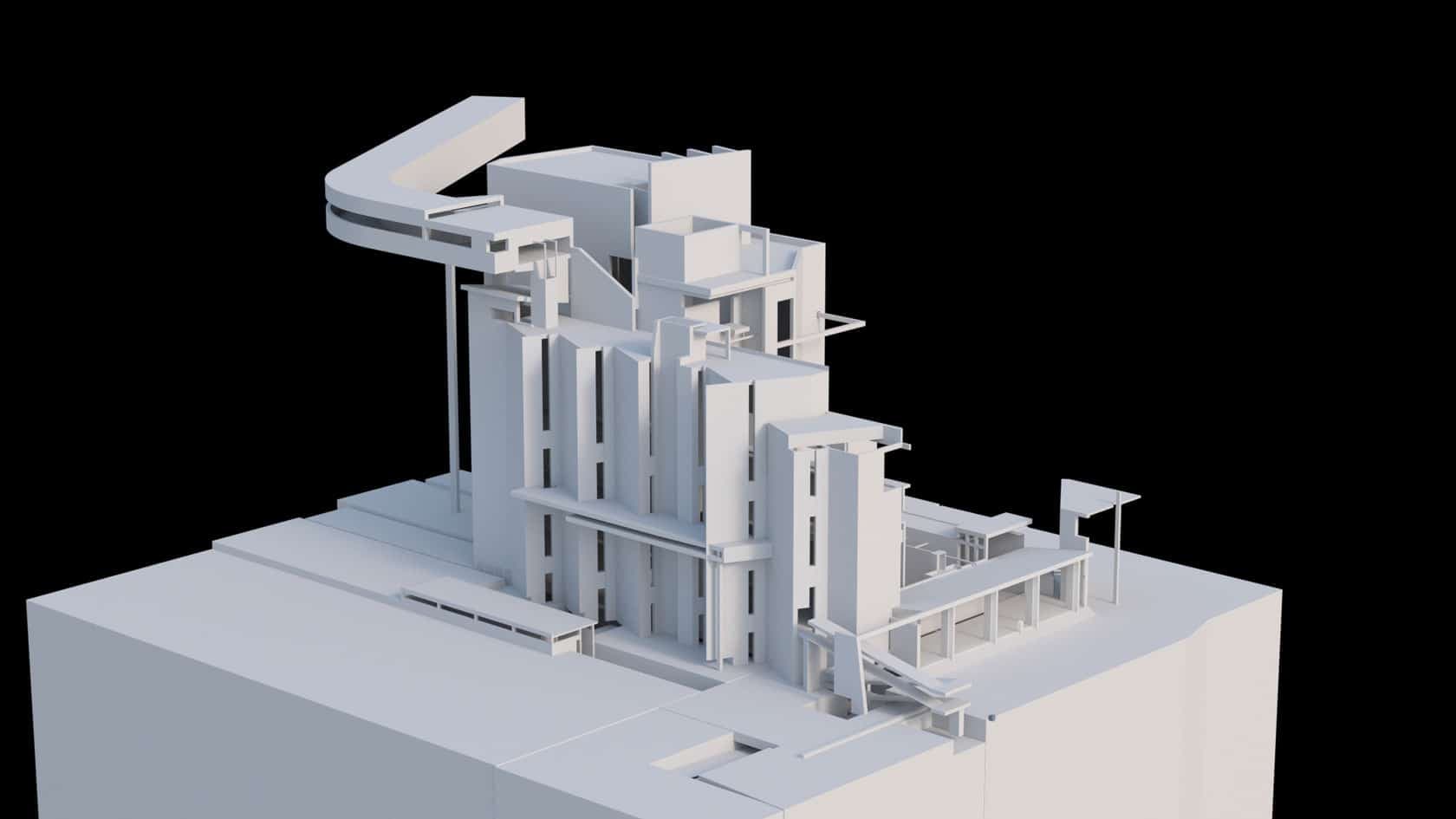
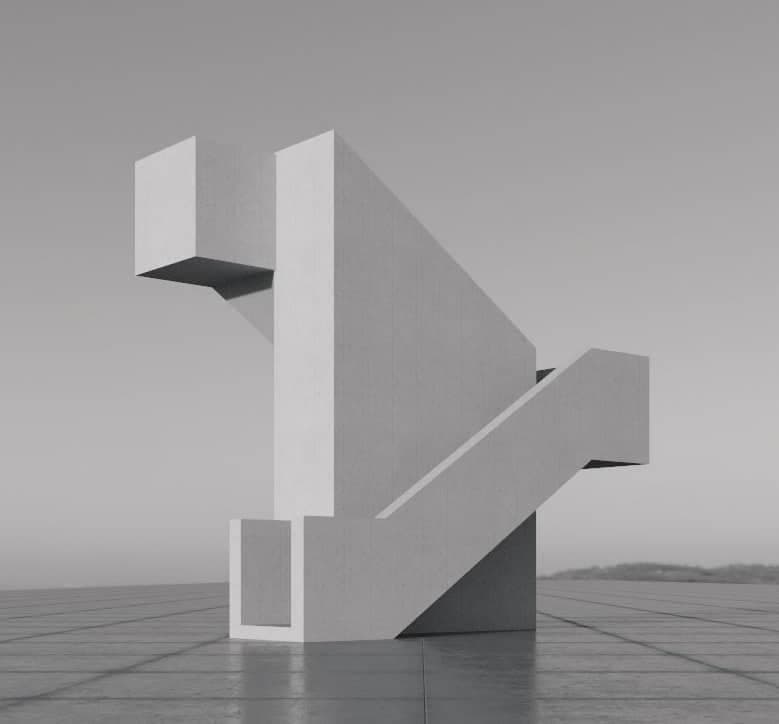
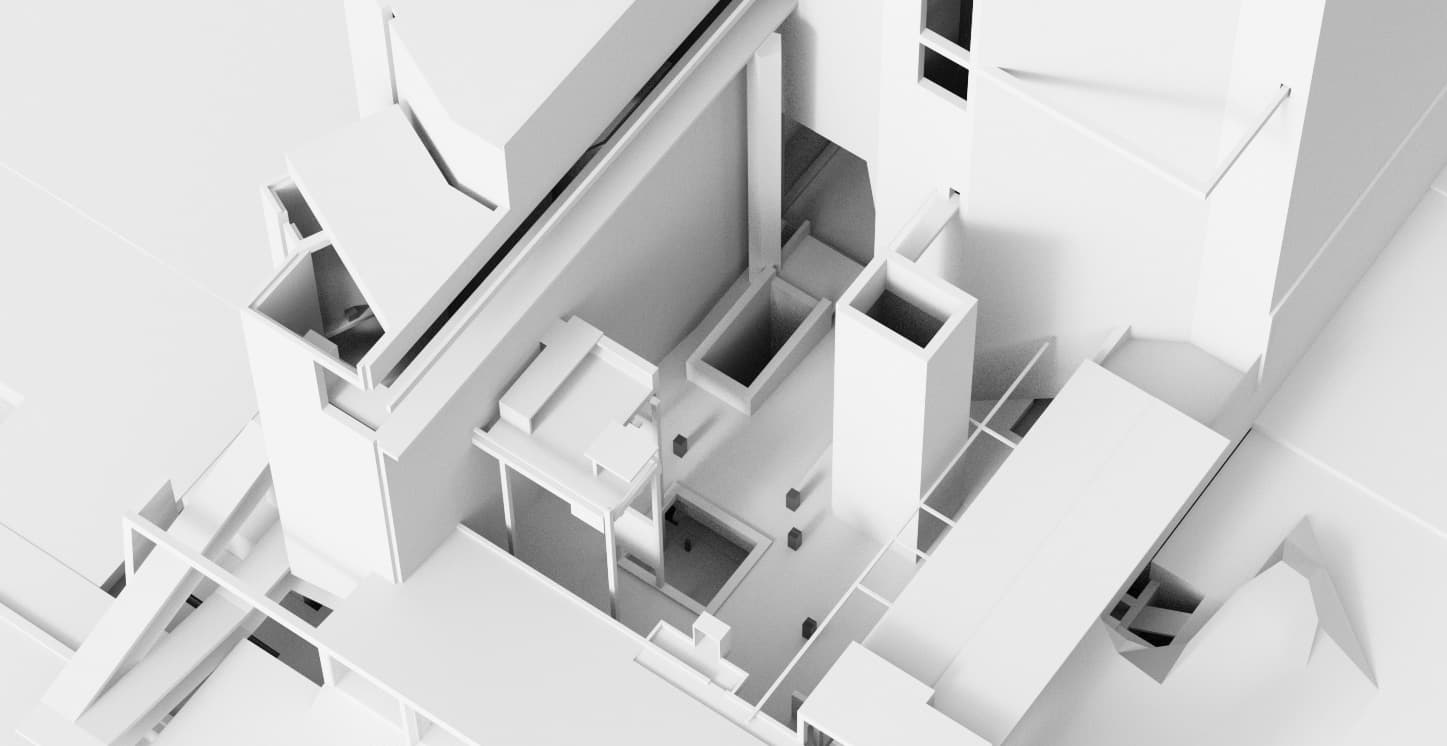
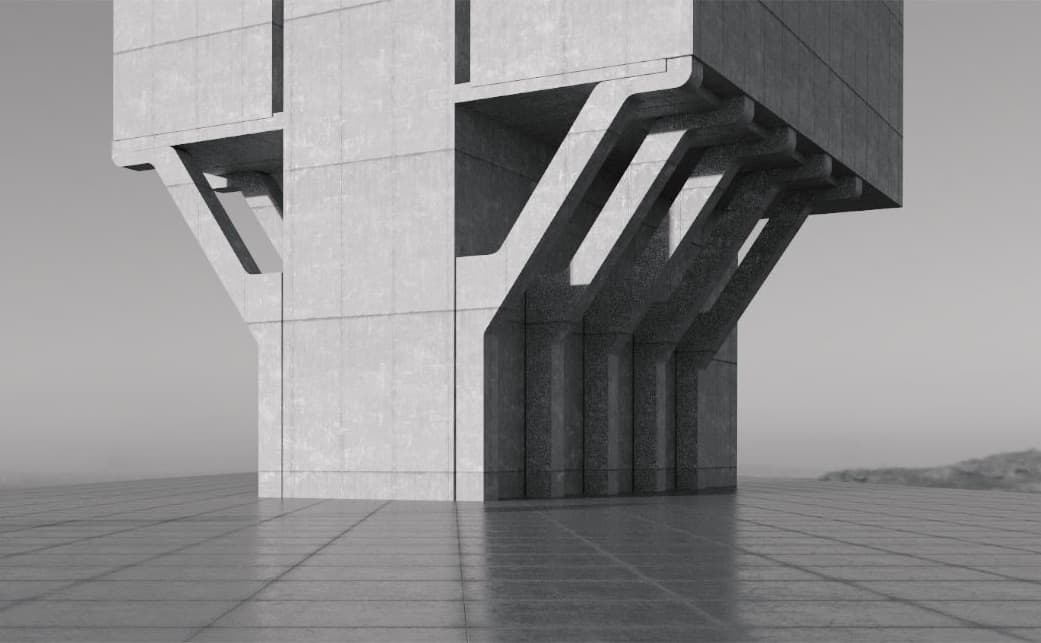
The building had to be designed precisely in the context of the film’s narrative as the layout and structure defined when each element, room and character appears and disappears. Due to the large amount of detail, several iterations were necessary to find the right balance between complexity and readability. Throughout the project various style frames were developed to explore the different materials for the building.
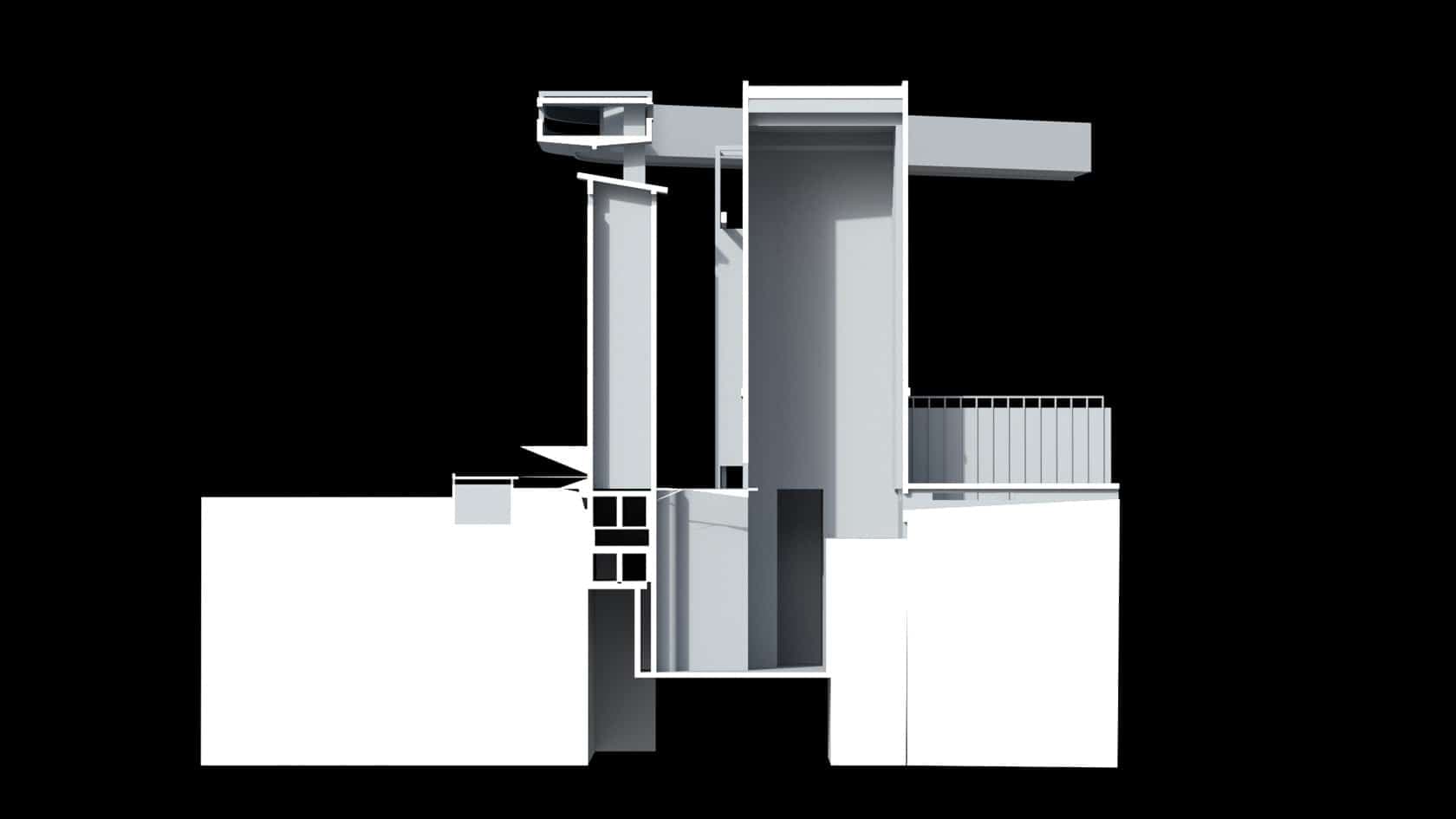
The project was created in Houdini using a procedural approach to be able to globally control the timing, animation and lighting. This approach saved time as the geometry of the building kept changing regularly through the project.
The look of the project was achieved by combining several passes in compositing to create the illustration aesthetic.
Credits
Creative Direction & Production: Optical Arts
Art Direction & Design: Fabrice Le Nezet
Architect: Gabriel Beard at Waugh Thistleton Architects
Audio: Sonjay Prabhakar
3D Team: Valentine Arles, Luke Howell, Ollie Harris
Animation: Pascale Bories
Style Frames: Liam Waters